You Cannot Define the Average Bangali That Easily
“He moves it with his hand, spits on it… (not fit to write)… brother, do you know what that is?”
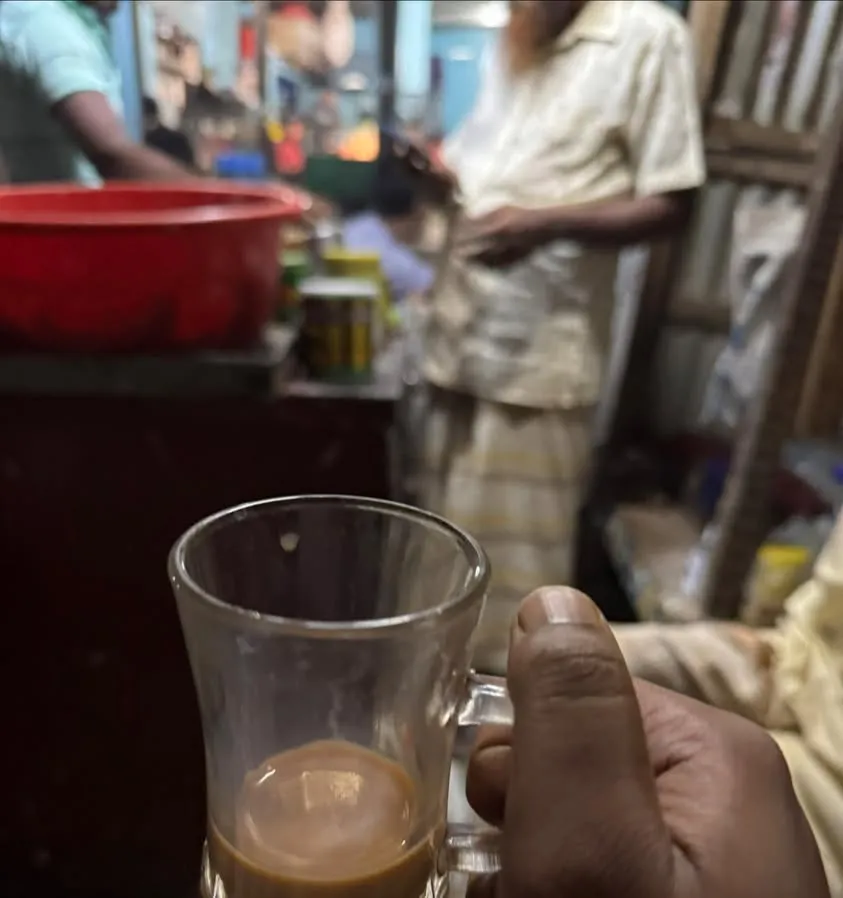
I had barely sat down at the tea stall when a gentleman in a panjabi and lungi, a fistful of beard on his chin, mouth red from paan, asked me this question. Then he laughed.
With my usual expressionless face, I ordered tea and started watching camera reviews on YouTube. The man was watching reels.
All obscene reels. The kind that look like Imo video-call service ads. He watched and laughed.
The shopkeeper said, “Mia, you just came back from prayer and now this is what you’re watching? Turn it off!”
Still watching the reels, the man said, “May Allah protect us from the temptations of womankind. Astaghfirullah.” Then he kept watching the obscene reels.
With the same blank face, I kept judging him silently, irritated inside. A little later, I started sneezing and coughing. I was slightly sick.
The man gently placed his hand on my head and said, “Son, you will be fine.”
I said, “Yes… season change, you know.”
He said, “Wait, let me bring you some Histacin.” He was about to get up. I stopped him.
After that, we found some common ground and had a normal conversation.
If this were Berlin, I would sit alone in a coffee shop and drink my coffee. No one would bother me.
But at the same time, if I coughed, no one would put a hand on my head either.
Human beings are complicated anyway. But Bangalis are several times more complicated.
So you cannot define the average Bangali by putting them into a simple good-or-bad box. Never.